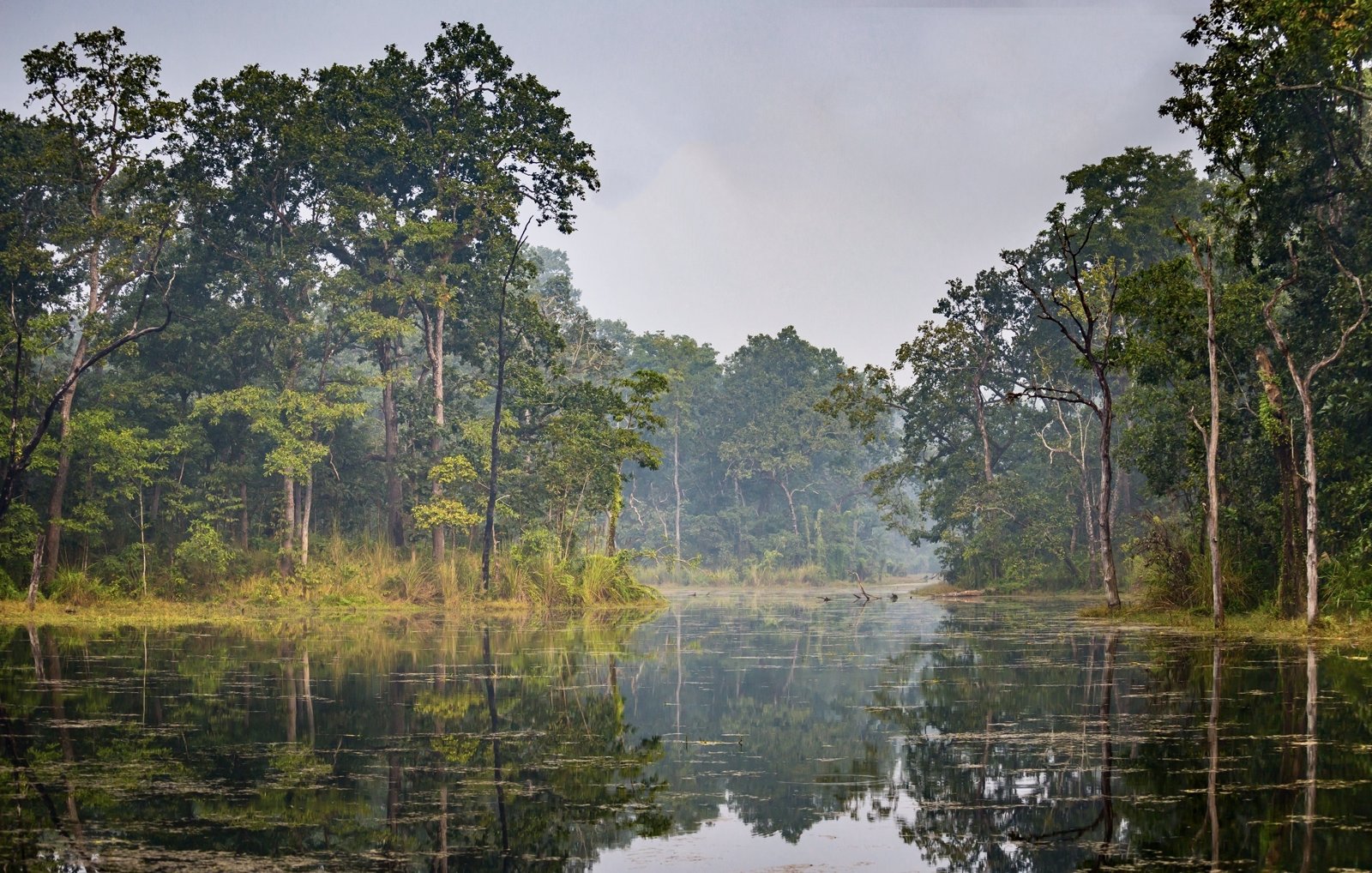
Chitwan National Park
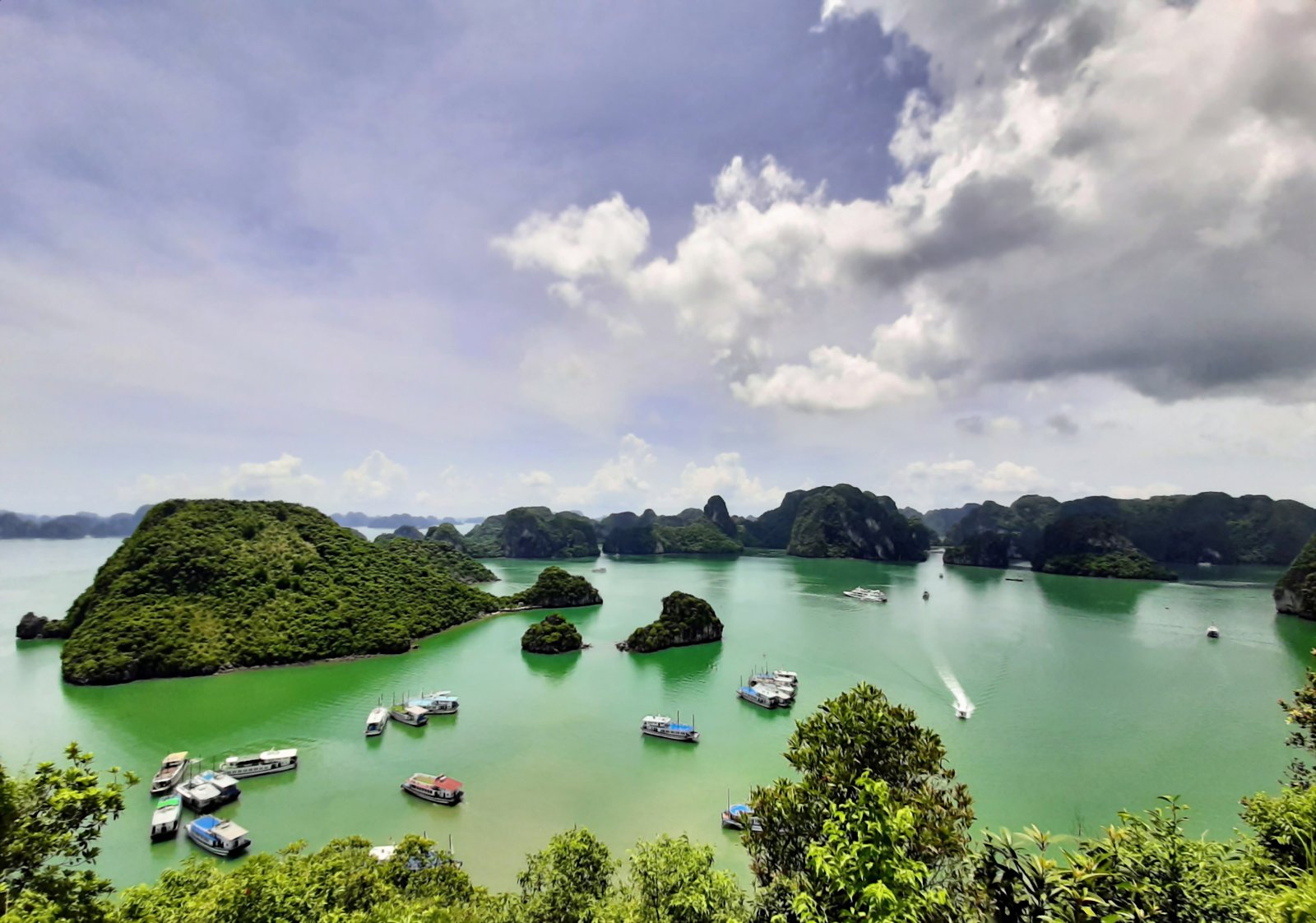
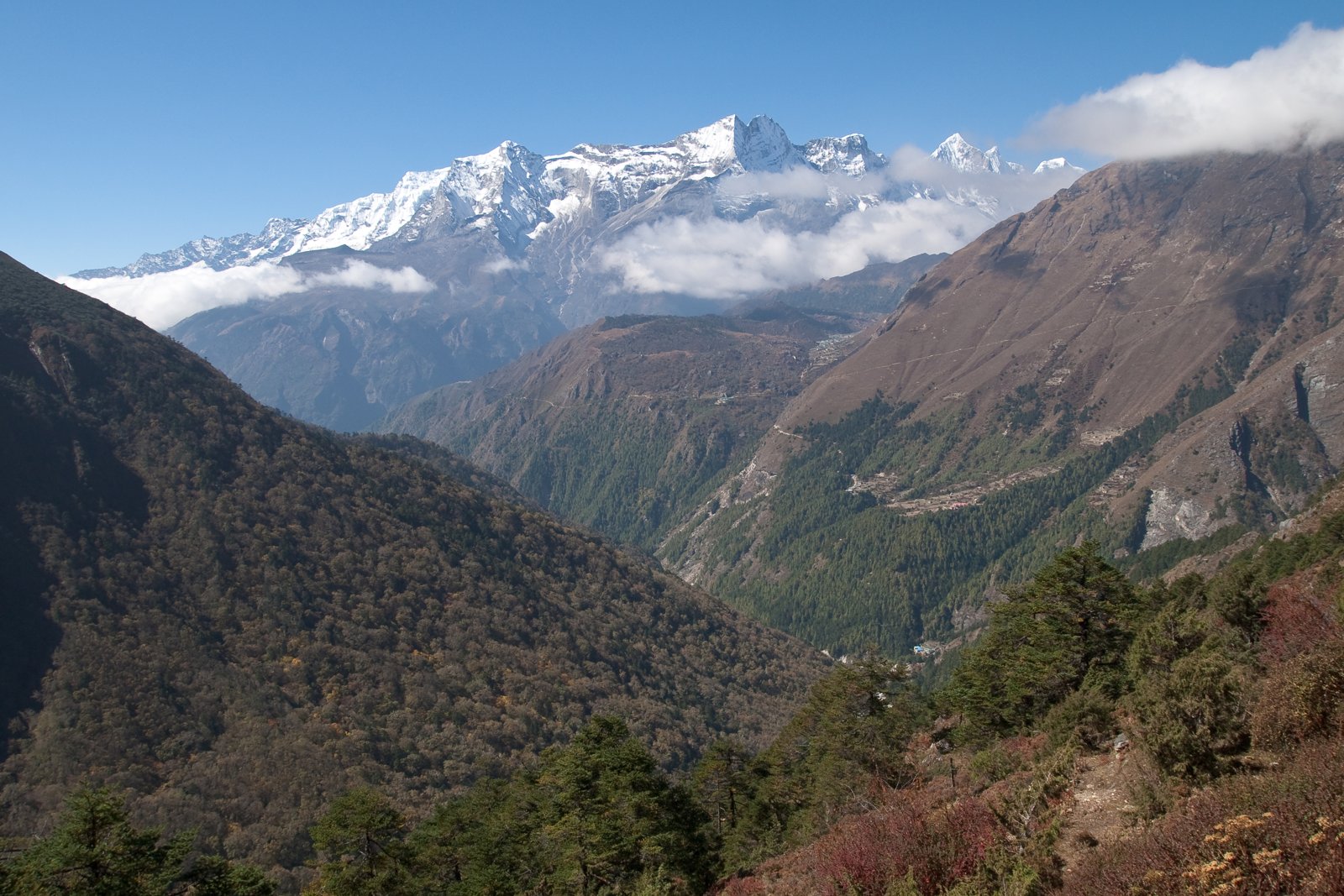
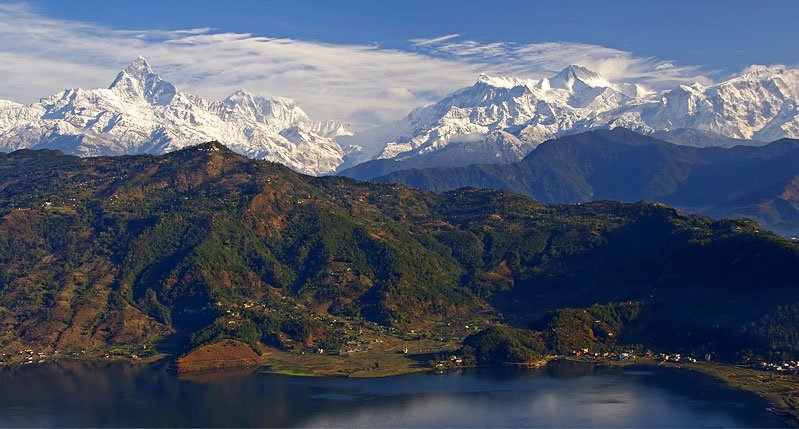
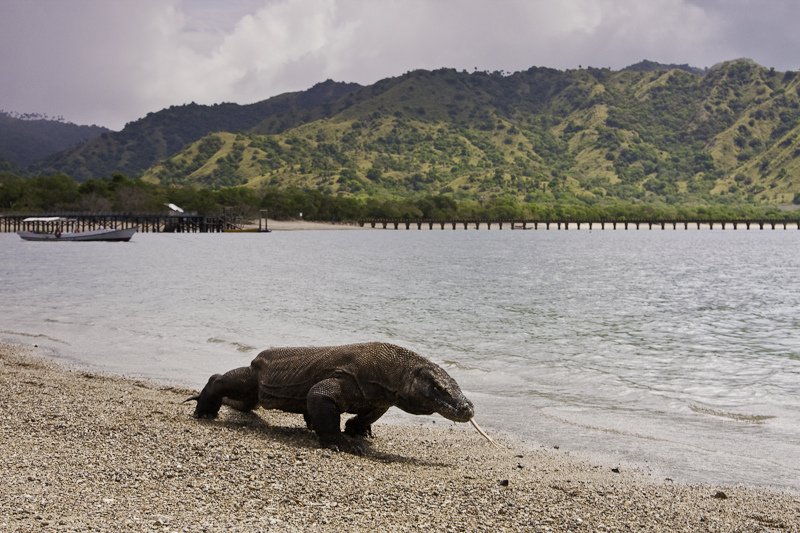
“Nepal's subtropical lowlands offer rhino habitat, river birdlife, and Tharu culture.”
Destination background ↗Photo source & license ↗Seasons are general guidance; check local access and safety notices before travel.
Highlights
- Rapti River
- Sal forest
- Grassland wildlife
Planning Chitwan National Park with friends?
Add it to a trip, build the days together, and split the cost so nobody fronts it all.
Fun facts
- 01
Rapti River is one of the park's signature draws.
- 02
Most visitors come during october–march and spend 3–4 days exploring.
Things to do
- 01Take an authorized jeep safari
- 02Canoe with a local guide
- 03Learn about Tharu culture
A sample 4-day route through Chitwan National Park
A loose blueprint — shuffle to taste. Start early to beat crowds, save short walks for hot afternoons, and end at a vista.
- SunriseHighlightRapti RiverCatch this at sunrise for the cleanest light.
- MiddayHighlightSal forest
- AfternoonActivityTake an authorized jeep safariPace yourself — afternoons get hot in summer, cold in winter.
- SunriseHighlightGrassland wildlifeCatch this at sunrise for the cleanest light.
- MiddayActivityCanoe with a local guidePace yourself — afternoons get hot in summer, cold in winter.
- SunriseActivityLearn about Tharu culturePace yourself — afternoons get hot in summer, cold in winter.
Flights & recommended stays
Compare real-time rates near Chitwan National Park on the booking sites below.
What lives here
- Sambar DeerYear-roundWhereForest edges at dawn/dusk
- Macaque troopsYear-roundWhereTemple forests and trail junctions
- HornbillBreeding springWhereTall fruiting canopy trees
Always view wildlife from a respectful distance. Carry binoculars; never feed or approach.
Hidden gems most visitors skip
- SaurahaSide trip
Named as a nearby stop in this destination's Wildfolio guide.
- BharatpurSide trip
Named as a nearby stop in this destination's Wildfolio guide.
Add an extra day or two to your itinerary — the side trips are often the part travelers remember most.
Nearby side trips
Worthy detours within a half-day's drive — pair one or two with your visit to round out the trip.
Sauraha
TownA nearby gateway town — great for lodging, restocking, and a post-hike meal.
Bharatpur
TownA nearby gateway town — great for lodging, restocking, and a post-hike meal.
Pack list
Layered clothing, refillable water, the smallest notebook you own, and patience for the season you'll find.
View your trip plan →Know before you go
Everything a first-time visitor needs to land smoothly at Chitwan National Park — distilled from ranger guidance, the latest NPS bulletins, and field reports from members.
October–March. Shoulder-season sweet spot — cool air, fewer crowds, and changing color at higher elevations.
Compact park — popular sites can feel busy; arrive at sunrise or after 4pm for the best experience.
Most parks charge $20–$35 per vehicle for a 7-day pass. The America the Beautiful Pass ($80/yr) covers all 63.
No timed-entry permit required, but lodging and campgrounds book up 6+ months ahead via recreation.gov.
Chitwan National Park is in Nepal. Rent a car at the nearest major airport — there's almost no public transit inside the park.
Expect spotty-to-no cell service across most of the park. Download offline maps (Google Maps, Gaia, AllTrails) before you arrive.
Weather can flip in minutes. Carry the 10 essentials, tell someone your plan, and never approach wildlife — stay 100 yards from bears, 25 yards from everything else.
Pets are allowed in developed areas and roads only — not on most trails. Many visitor centers and select trails are ADA-accessible; check nps.gov for specifics.
Pack out everything you pack in, stay on trails, camp on durable surfaces, and respect quiet hours. The park belongs to everyone who comes after you.
Dial 911 for any emergency. Park dispatch can also be reached through any visitor center or ranger station. Closest hospital is typically 30–90 minutes from the park entrance.